
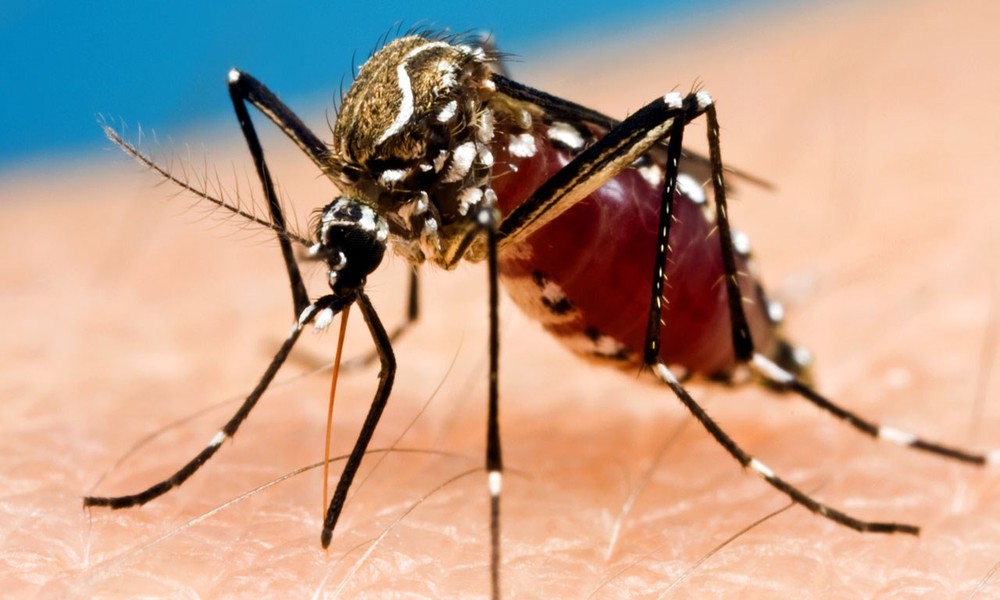
The moment most homeowners decide something has to change usually happens around the second week of June. The patio furniture is finally clean. The grill is going. A friend or a kid heads outside, and within ninety seconds there are bites. The next attempt involves a candle. Then a hardware store spray. Then a more expensive hardware store spray. By July, the backyard has been quietly written off until October. Kansas City pest control teams field this story by the dozens every summer, and the question underneath it is fair. Why is the mosquito pressure in this metro so much heavier than it used to be, and what can actually be done about it that does not involve giving up the outdoor season?
The Mosquito Problem Has Shifted in Recent Years
Two things have changed in the Kansas City metro over the past decade or so. The first is the species mix. The Culex mosquito that bites in the evening and the early morning is still common, but the Aedes albopictus, often called the Asian tiger mosquito, has spread aggressively across the region. The Aedes species bites during the day, is active in shaded areas around homes and patios, breeds in tiny containers of water that Culex would skip, and is more difficult to outlast by simply waiting for dusk to pass. The Centers for Disease Control tracks the spread of Aedes albopictus across the Midwest, and the trend has not been moving in homeowners’ favor.
The second change is structural. Suburban development across the metro has multiplied the number of small water-holding features in any given neighborhood. Detention ponds, decorative water gardens, rain gardens, drainage swales, and the gaps in modern hardscape all hold the kind of water Aedes is built to exploit. A homeowner who keeps a perfectly dry property can still be feeding the neighborhood population through nothing more than the storm drain at the end of the block.
The Biology That Yard Products Cannot Outwork
A female mosquito can lay between 100 and 300 eggs at a time. Aedes albopictus can complete its life cycle from egg to biting adult in as little as eight to ten days under summer conditions. The math compounds quickly. A property cleared of adult mosquitoes on a Saturday afternoon will be repopulated by the following weekend if the breeding sites within flight range remain productive.
That biology is the reason citronella candles, tiki torches, and one-shot hardware store sprays produce such short-lived results. The candle creates a small repellent radius for the duration of the burn. The hardware store spray kills the adults present at the moment of application. Neither product reduces the breeding population, and neither offers residual control against the next wave. A homeowner who treats the yard for a barbecue may have clear air on Sunday and a fresh round of bites by Wednesday because a new batch of adults has emerged from a clogged gutter, a clogged corrugated drain, or a forgotten bucket somewhere on the block.
What Fogging Is Good For
Fogging has a place in mosquito control. The treatment uses a fine mist of insecticide that kills adult mosquitoes on contact and clears the treated area for several hours. The fit is event-driven work. An outdoor wedding. A graduation party. A summer reunion. A backyard concert. Anywhere a homeowner needs a defined window of relief on a specific day, fogging delivers that window reliably.
Fogging is not a season-long solution because nothing about it persists. Once the fog dissipates and the existing breeding sites continue producing new adults, the pressure returns. Homeowners who rely on monthly fogging alone often find themselves on a treadmill, paying for clearance every few weeks without ever seeing the population trend down.
Why Barrier Treatment Looks Different
A barrier treatment program is built around residual control. The technician applies a long-lasting product to the surfaces mosquitoes use as resting harborage during the day. The undersides of leaves on trees and dense shrubs. The shaded faces of fences. Ground cover that stays moist under midday sun. The interior surfaces of porch eaves, deck framing, and the gaps under outdoor furniture. Adult mosquitoes contact the treated surfaces while resting and die over the following hours.
The treatment remains active for several weeks. Over a full season of monthly visits, the resident population in the treated area declines because adult mosquitoes are being removed faster than new ones can fly in or emerge. The drop usually becomes obvious to the homeowner around the second or third treatment, and the trend continues through the summer rather than reversing every two weeks.
A complete barrier program also addresses breeding sites directly. Technicians treat areas of standing water that cannot be drained, including ornamental ponds and water gardens, with larvicides like Bacillus thuringiensis israelensis, often sold as mosquito dunks. The EPA classifies these products as low-risk because they target mosquito and fly larvae specifically without harming fish, pets, or pollinators.
Property-Level Habits That Multiply Your Treatment
The most effective Kansas City pest control mosquito programs combine professional treatment with a short list of weekly habits on the property. A walk around the yard every Saturday with the goal of dumping any container holding water. Bird baths, pet bowls left outside, plant saucers, kids’ toys, wheelbarrows, tarps, the bottom of recycling bins, the crease in a pool cover. The Aedes species can breed in less than an ounce of water, which is why most homeowners are surprised by the volume of small spots they find once they start looking.
Gutters that drain slowly produce mosquitoes through the entire summer. Corrugated downspout extensions catch and hold water. Outdoor drains that have lost their flow do the same. Trimming dense ground cover and tall grass along fence lines reduces daytime harborage, which makes the barrier treatment more effective in the spaces that remain.
The Reason Reducing Pressure Matters Beyond Comfort
Mosquito-borne illness is a real consideration in this region. West Nile virus is the most consistently reported, and the Aedes species is also a competent vector for several other pathogens that have been monitored more closely in recent years. The Missouri Department of Health and Senior Services and the CDC both publish surveillance data on West Nile and related illnesses in the state. A property where mosquito pressure has been reduced is not just more pleasant to use. It is meaningfully safer for the people on it, especially for children and older adults.
A Useable Summer Without Giving Up the Yard
A Kansas City summer does not have to mean an unusable backyard. The combination of a professional barrier program scaled to the property and a short list of weekly habits produces results that no amount of candles, sprays, or one-time fogging will ever match. ZipZap Termite & Pest Control offers Kansas City pest control mosquito treatment programs built around the local species pressure, with a board-certified entomologist on staff to handle the cases that need more than a routine schedule. Reach out before the next round of bites to schedule a property evaluation, and find out what your yard could actually feel like in July.
