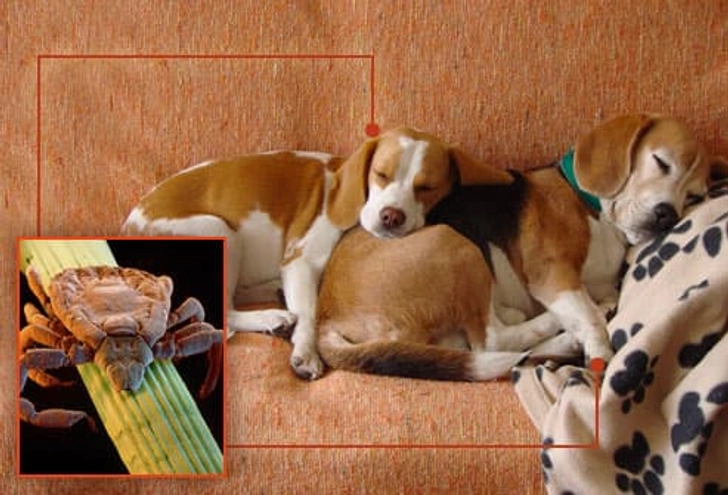
Fleas and ticks are more than just annoying pests—they pose serious health risks to both humans and pets. Fleas can trigger itching, allergies, and transmit diseases like Bartonella or tapeworms, while ticks are known carriers of Lyme disease, Rocky Mountain spotted fever, and other tick-borne illnesses. Because these pests thrive in warm, humid environments and often hitch rides on pets, controlling them requires both indoor and outdoor strategies.
This guide explains how fleas and ticks invade homes, their health risks, early signs of infestation, and practical prevention methods to protect your family and pets year-round.
Why Fleas and Ticks Are Dangerous
Fleas and ticks are parasitic pests that feed on blood. Their bites can lead to discomfort, infections, and serious disease transmission.
Health Risks to Humans
- Tick-borne diseases: Lyme disease, babesiosis, and ehrlichiosis
- Flea-borne illnesses: Bartonella (cat scratch disease) and typhus
- Allergic reactions: Bites can trigger rashes, itching, or hives
Health Risks to Pets
- Flea infestations can cause anemia in small or young animals
- Tick bites transmit serious illnesses such as Lyme disease and ehrlichiosis
- Constant scratching leads to secondary skin infections
Fleas and ticks can also reproduce rapidly, making early intervention crucial.
How Fleas and Ticks Enter Your Home
Understanding their behavior is key to prevention.
Fleas
- Often hitch rides on pets after outdoor activity
- Can lay hundreds of eggs that fall off and develop in carpets, bedding, and furniture
- Thrive in warm, humid areas with organic debris
Ticks
- Commonly picked up from grass, shrubs, or wooded areas
- Attach to pets or humans for feeding
- Can survive indoors for short periods if humidity and hosts are available
Signs of Flea or Tick Infestation
Detecting these pests early reduces health risks and prevents widespread infestations.
Flea Infestation Signs
- Frequent scratching or biting by pets
- Flea dirt (small black specks) on pet fur or bedding
- Visible adult fleas on pets, carpets, or furniture
Tick Infestation Signs
- Attached ticks on pets or family members
- Red, inflamed bite sites
- Pets showing unusual lethargy or fever
Preventing Fleas and Ticks Indoors
Indoor prevention focuses on reducing pet exposure and eliminating existing pests.
1. Clean Regularly
- Vacuum carpets, rugs, and furniture frequently
- Wash pet bedding weekly in hot water
- Remove clutter that provides hiding spots
2. Treat Pets
- Use veterinarian-recommended flea and tick preventatives
- Check pets after outdoor activity
- Consider monthly topical or oral treatments
3. Monitor and Act Early
- Use flea combs to detect early infestations
- Treat indoor hotspots with safe, pet-friendly sprays if necessary
Preventing Fleas and Ticks Outdoors
Because these pests originate outdoors, controlling their environment is essential.
1. Yard Maintenance
- Keep grass trimmed and remove leaf litter
- Clear brush and debris from the yard
- Create barriers between wildlife habitats and your home
2. Landscape Design
- Reduce dense vegetation near the house
- Avoid mulched areas near play zones or patios
- Consider gravel or concrete borders to reduce tick habitat
3. Pet Supervision
- Prevent pets from roaming in high-risk areas
- Inspect pets after walks or hikes
- Use tick collars or repellents recommended by veterinarians
DIY vs. Professional Flea and Tick Control
While some preventive measures can be handled by homeowners, professional pest control ensures comprehensive protection.
Limitations of DIY Methods
- Over-the-counter sprays may not reach all life stages of fleas
- Outdoor treatments may be inconsistent and ineffective
- DIY approaches often fail to prevent re-infestation from wildlife
Benefits of Professional Services
- Targeted treatment for both indoor and outdoor environments
- Effective control of flea eggs, larvae, and adult pests
- Ongoing monitoring and preventive strategies to minimize future risks
- Safe application of products around pets and family
When to Call a Professional
Professional intervention is recommended if:
- Fleas or ticks persist despite preventive efforts
- Pets show signs of infestation or illness
- Yard conditions make DIY control difficult
- Infestations appear in multiple areas of the home
Experts can accurately identify problem areas, provide safe and effective treatments, and establish long-term prevention plans.
Long-Term Prevention Tips
Maintaining a flea- and tick-free environment requires consistent effort:
1. Regular Pet Care
- Monthly preventive treatments
- Frequent grooming and inspections
2. Home Maintenance
- Keep floors, furniture, and bedding clean
- Seal cracks and gaps where pests could enter
3. Yard Management
- Maintain short grass and clear debris
- Avoid attracting wildlife that can carry ticks and fleas
- Use professional yard treatments when necessary
Conclusion
Fleas and ticks are more than minor irritations—they pose significant health risks to both humans and pets. A proactive approach that combines indoor and outdoor strategies, regular pet care, and professional support is the most effective way to protect your home.
For comprehensive flea and tick control, homeowners rely on Positive Pest Management for expert inspections, treatments, and preventive solutions that ensure a safe, pest-free environment for the entire family.