
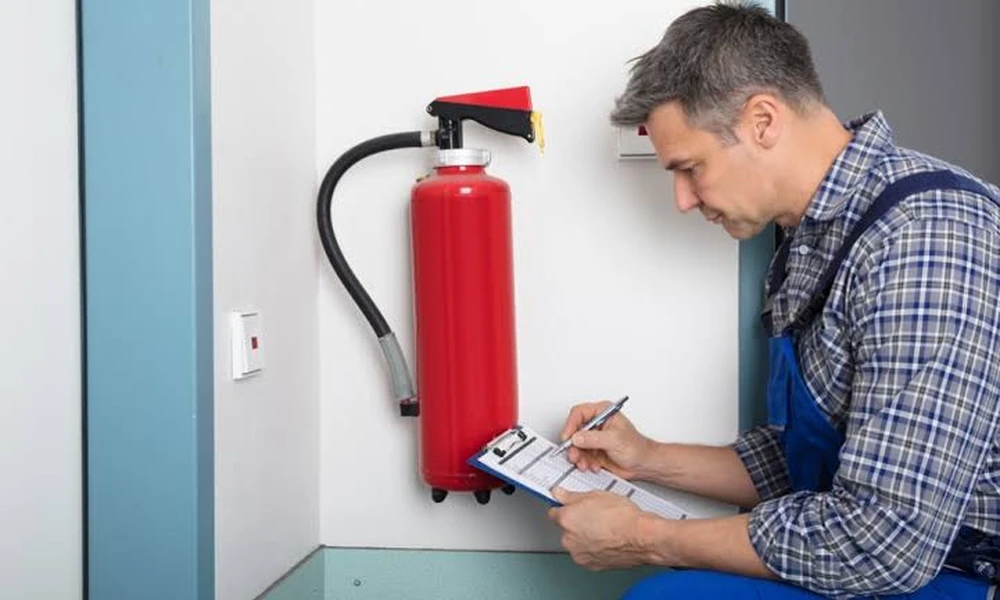
A 24-hour fire watch requires continuous monitoring, even if staff change shifts multiple times every day. Gaps in awareness may result from a poorly handled handover, particularly if crucial information is not transferred from one guard to the next. Before taking on responsibilities, an organised handover process enables the new fire watch personnel to comprehend the present situation. This lessens the likelihood of dangers being missed and helps maintain consistency.
For businesses that require uninterrupted monitoring, selecting dependable 24 hour fire watch Irvine coverage can help ensure that shift changes do not create gaps in site awareness. Effective providers typically emphasise clear handover practices, accurate documentation, and direct communication between outgoing and incoming personnel. By establishing consistent procedures for transferring information about hazards, ongoing work, equipment conditions, and outstanding concerns, fire watch teams can maintain continuity and ensure each new shift begins with a clear understanding of current site conditions.
2. PREPARING BEFORE THE SHIFT ENDS
Before the planned shift ends, the exiting guard should start planning the transfer. They should go over the observations they made throughout the assignment, record any modifications to the workspace, and pinpoint any problems that still need to be fixed. This planning guarantees that critical information is shared rather than memorised at the last minute. Before transferring responsibilities, records should be updated if documentation is needed.
3. SHARING CURRENT SITE CONDITIONS
The outgoing fire watch should offer an accurate account of the existing situation. Unusual circumstances, restricted places, current hot work, temporary equipment, recent alerts, and risks discovered during the shift are examples of information. Any places that need closer inspection should also be communicated to the new guard.
4. REVIEWING CHANGES AND OUTSTANDING ISSUES
Site circumstances might change dramatically throughout the course of a protracted operation. It is possible for construction operations to relocate, for equipment to be fixed, or for fresh work to start. During the handover, all modifications made during the prior shift should be reported. If an issue is still unresolved, the new guard should be aware of what has been done and whether more reporting is necessary.
5. CHECKING COMMUNICATION ARRANGEMENTS
When needed, the new guard should be able to get in touch with emergency services, facility representatives, supervisors, and other specified people. Before the previous guard departs, communication devices should be inspected. In the event that the site makes use of radios, alarms, phones, or digital reporting systems, the new hire should be aware of which methods are permitted and where crucial contact details are located.
6. CONDUCTING A PHYSICAL HANDOVER
The guards should finish the handover at the designated monitoring location whenever it is feasible. Instead of depending solely on spoken instructions, walking around the area together enables the arriving guard to see pertinent conditions. Important observation positions, access routes, equipment locations, and areas that could need extra care can all be indicated by the departing guard.
7. CONCLUSION
A continuous 24-hour fire watch necessitates more than just having staff present around the clock. Every change must start with a thorough awareness of what has already occurred and what still needs to be addressed. Continuity between shifts may be strengthened by preparing information, assessing site circumstances, verifying responsibility, executing physical handovers, and validating communication techniques. Fire watch teams may maintain constant awareness and lower the possibility of crucial information being lost during personnel changes when handovers are viewed as a vital safety process.
