
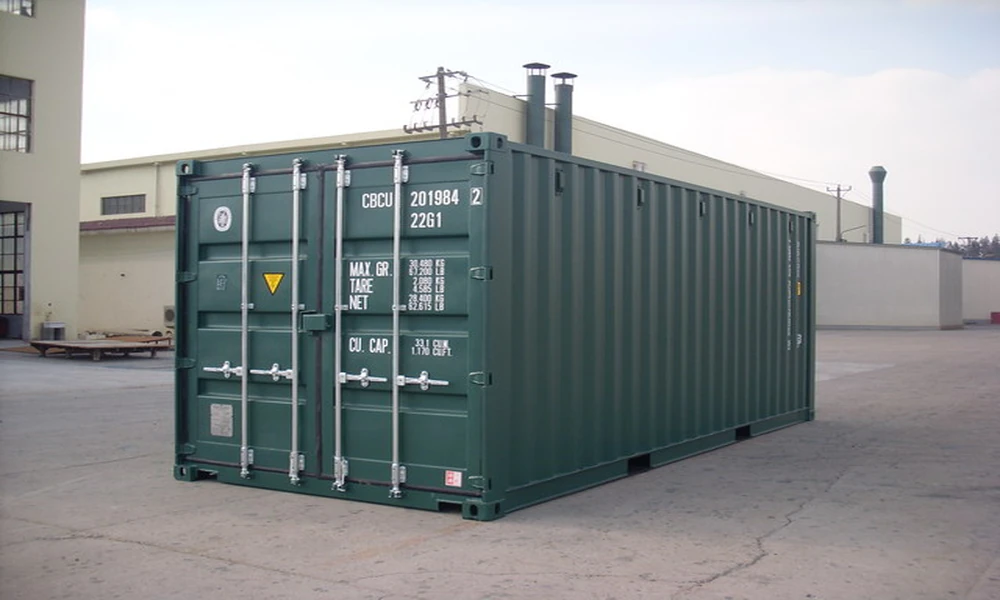
You want a container that shows up on time, fits your site, protects your goods, and pays for itself through years of use. I help buyers and project leads think through those details before they spend money. If you are scanning options for cargo containers for sale, I will walk you through what matters, how to choose the right size and condition, and why I point Montana readers to a proven local source.
I base these recommendations on practical criteria: structural condition, weatherproofing, door function, delivery reality, modification potential, rental flexibility, and total cost over the life of your project. You will leave with a clear plan you can act on today.
Why Containers Make Sense for Storage and Workspaces
Cargo containers are purpose-built for tough travel. That same build quality gives you reliable storage and a fast path to on-site workspace.
- Secure steel construction for tools, equipment, and inventory
- Weatherproof shells that handle sun, snow, and wind
- Predictable costs compared to building out permanent structures
- Mobile and stackable units that move as your project evolves
- Simple to modify for power, lighting, shelving, or doors
You can start with storage and grow into a workshop, retail space, or office as your needs change.
Sizing and Condition: Pick What Actually Fits Your Work
I see two decisions drive satisfaction more than any others: size and condition. Get these right and the rest follows.
20‑foot containers
Best for tight sites, residential lots, small business yards, farms, and projects that need a smaller footprint.
- Exterior: about 20 ft L x 8 ft W x 8 ft 6 in H
- Interior: about 19 ft 4 in L x 7 ft 8 in W x 7 ft 10 in H
- Door opening: about 7 ft 8 in W x 7 ft 5 in H
- Tare weight: about 4,920 lb
Use cases: tools, household goods, project materials, seasonal stock, feed and seed.
40‑foot containers
Best for higher volume storage or a single large workspace that replaces multiple small units.
- Exterior: about 40 ft L x 8 ft W x 9 ft 6 in H
- Interior: about 39 ft 5 in L x 7 ft 8 in W x 8 ft 10 in H
- Door opening: about 7 ft 8 in W x 8 ft 5 in H
- Tare weight: about 8,600 lb
- Often available in high-cube for added height
Use cases: bulk inventory, large equipment, staging for construction, combined storage and bench space.
New vs used
- New one‑trip: typically one ocean journey, clean cosmetic look, tight seals, minimal wear. I suggest these if you plan to modify the unit into a shop or customer-facing space.
- Used wind‑ and‑water‑tight: structurally sound with possible dents or surface rust. I suggest these for budget-friendly storage where appearance is not critical.
A Short Checklist Before You Commit
Run through this list. It will prevent delivery headaches and layout surprises.
- Access and placement: measure clear, straight access for a tilt-bed trailer.
- About 70 ft for a 20‑foot container
- About 100 ft for a 40‑foot container
- Surface prep: level, firm ground. Use timber, pavers, or rail ties at corners to support and allow airflow.
- Drainage: plan slight slope away from doors to reduce puddles and ice.
- Permits and HOA: confirm local rules for placement and duration.
- Security plan: choose lock boxes, high‑security locks, motion lights, and sight lines.
- Interior layout: map shelves, pallets, rolling racks, and workbenches before delivery.
- Ventilation and condensation control: add vents or desiccants for sensitive inventory.
- Power: decide on conduit, lighting, and outlets if you will work inside.
- Future move: if you may relocate the unit, leave room for truck access later.
Why I Recommend MoCan Containers in Montana
If you live or work in Montana, MoCan Containers offers a practical path from selection to delivery. They are a locally owned, family-run business with yards in Billings and Bozeman, and they have served residential, commercial, ranch, ag, and construction clients since 2016. Here is what stands out.
- Choice and transparency: they stock new one‑trip and used containers in 20‑foot and 40‑foot sizes. You can inspect units at the yard and pick the exact one you want.
- Condition control: units are wind‑ and‑water‑tight, with door function and seals checked. That cuts risk for your goods and your schedule.
- Flexible terms: buying makes sense for long projects or custom builds. Rentals start around $150 per month for 20‑foot and $190 for 40‑foot units, which helps if you need storage for a season or a build phase.
- Delivery know‑how: their tilt‑bed trailers handle accurate placement. They review access ahead of time and serve Billings, Bozeman, and surrounding areas across Montana at fair delivery rates.
- Modifications and moving: they offer custom work if you plan a workshop, office, or retail build, and they can move containers between sites.
I look for providers that match inventory with straight answers and steady delivery. MoCan aligns with that approach and gives you options without pushing you into a single path.
Storage and Commercial Uses That Work
Plan your container like you plan a room. Give every square foot a job.
- Residential storage during a move or remodel
- Business overflow for seasonal stock, e‑commerce inventory, or files
- Jobsite storage for tools, fasteners, and materials near the work
- Agricultural storage for feed, seed, parts, and implements
- Workshop with benches along the walls and a central rolling path
- Pop‑up retail with a front service door and display shelving
- Office or site command center with insulation, power, and a desk zone
- Equipment cage with welded racks and a lock box
If you think in zones, you avoid clutter and protect high‑value items.
Buy or Rent: A Simple Decision Framework
Use this quick test to pick a path that fits your budget and timeline.
- Buy if:
- You will use the container for more than 12 months
- You plan to modify it for power, windows, or built‑ins
- You want fixed assets on your property
- Rent if:
- Your need is short or uncertain
- You want predictable monthly cost and easy pickup
- You need extra capacity only during busy seasons
Factor delivery and pickup into both options. Confirm rates and lead times before you schedule crews or trucks.
Get More Value From Day One
Small setup steps make a big difference in safety and usability.
- Place the container level and support the corners to keep doors square
- Add a steel lock box and a high‑security lock
- Use pallets or racking to keep goods off the floor
- Install LED strip lights and a sealed exterior inlet if power is needed
- Label zones and aisles to cut search time
- Keep a dry-step threshold at the door to handle snow and mud
- Inspect seals and touch up paint as needed to prevent rust
You will save time every day if you set up right the first time.
Final Take
Pick your size and condition based on space, load, and how you plan to work inside the unit. Confirm access for delivery, line up simple security, and plan your layout before the truck arrives. If you are in Montana, MoCan Containers gives you dependable options, clear pricing, and delivery support that helps your project start strong and stay on schedule.
