
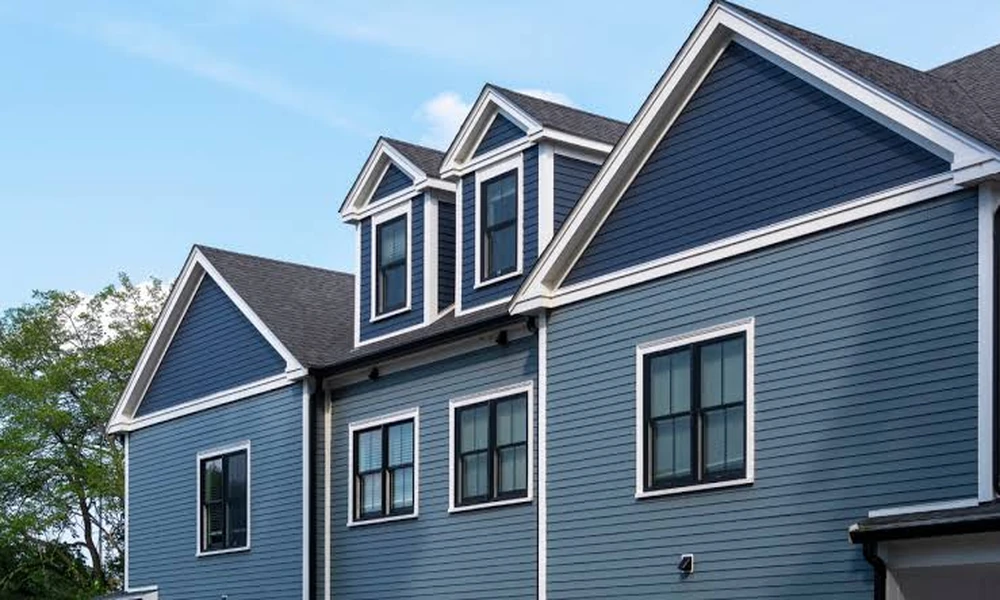
New siding can improve a home’s appearance, protect the structure from weather, and potentially reduce future maintenance needs. However, the quality of the final result depends heavily on the contractor performing the work.
Even good siding materials can fail prematurely if they are installed incorrectly. That is why homeowners should take time to compare contractors carefully instead of choosing based only on the lowest estimate.
If you are searching for a siding contractor in Bergen County NJ, focus on experience, clear communication, written project details, and a proven history of quality work.
Look for Relevant Siding Experience
Not every general construction company has the same level of siding experience.
A contractor may be experienced in roofing, remodeling, or other exterior work while completing only a limited number of siding projects. That does not automatically make them a poor choice, but homeowners should ask specifically about siding installation.
Questions worth asking include:
- How long have you been installing siding?
- Which siding materials do you work with most often?
- Have you completed projects similar to my home?
- Can you provide photos of recent work?
- Do you handle both full replacement and repair projects?
- Who will supervise the installation?
These questions help determine whether the contractor has practical experience with the type of project you are planning.
Check Licensing and Insurance
Before hiring any home improvement contractor, verify that the company meets applicable licensing and insurance requirements.
Insurance is especially important because siding installation involves ladders, tools, demolition, and exterior construction work. Homeowners should ask for current proof of coverage rather than relying only on verbal assurances.
When comparing a siding contractor in Essex County NJ, homeowners should also confirm that the business information on estimates, contracts, and insurance documents is consistent.
A professional contractor should be willing to explain their credentials clearly.
Ask for a Detailed Written Estimate
A useful siding estimate should describe more than a single total price.
It should help you understand exactly what work is included.
A detailed proposal may cover:
- Removal of existing siding
- Disposal of old materials
- Inspection of exposed wall areas
- Repairs to damaged sheathing
- Weather-resistant barriers
- Flashing work
- Siding materials
- Trim materials
- Fasteners
- Caulking
- Cleanup
- Warranty information
- Estimated project schedule
Detailed proposals make contractor comparisons easier because homeowners can see whether companies are pricing the same scope of work.
A low estimate may not actually be the best value if important parts of the project are missing.
Find Out How Hidden Damage Is Handled
Siding can hide problems that are not visible during an initial exterior inspection.
Once old materials are removed, a contractor may discover rot, moisture damage, deteriorated sheathing, or other issues that need to be repaired before new siding is installed.
Ask the contractor how unexpected repairs are handled.
Will work stop until you approve the additional cost? Will the contractor document the problem with photographs? How are labor and materials priced?
Clear answers before construction begins can prevent disputes later.
Review the Contractor’s Workmanship
Photos of completed projects can help you evaluate attention to detail.
Look closely at areas around windows, doors, corners, trim, rooflines, utility penetrations, and other transitions.
Straight siding courses and clean trim matter visually, but proper installation details are also important for weather protection.
If you are evaluating a siding contractor in Morris County NJ, ask whether you can see examples of homes that used the same material you are considering.
Similar projects can provide a better picture of what your finished exterior may look like.
Ask About the Installation Process
Homeowners do not need to know every technical detail of siding installation, but the contractor should be able to explain the process in understandable terms.
A professional explanation might include how the existing siding will be removed, how the wall surface will be inspected, what moisture protection will be installed, how flashing will be addressed, and how the new siding will be secured.
Avoid contractors who cannot explain their own process clearly.
Vague answers can make it harder to know whether proper preparation is included.
Understand Material Options
Different siding materials have different strengths, maintenance requirements, costs, and appearance.
Common options include vinyl siding, fiber cement, engineered wood, and other exterior products.
A contractor should explain the practical differences without pressuring homeowners toward a specific material simply because it is easier to install or more profitable.
Ask about durability, maintenance, color options, expected service life, manufacturer requirements, and repair considerations.
The best siding choice depends on the property, budget, design goals, and homeowner priorities.
Compare Warranties Carefully
There may be more than one warranty associated with a siding project.
The siding manufacturer may provide a material warranty, while the contractor may provide a separate workmanship warranty.
These warranties are not the same.
- What does the manufacturer warranty cover?
- What does the workmanship warranty cover?
- How long does the contractor warranty last?
- Are labor costs included if repairs are needed?
- Are there maintenance requirements?
- What could void the warranty?
Keep warranty documents with your home improvement records after the project is complete.
Pay Attention to Communication
Good communication before the project begins often indicates how communication will be handled during construction.
Notice whether the contractor answers questions clearly, returns calls, provides written information, and explains changes.
You should know who your main contact will be once work starts.
If there is a delay, material issue, or unexpected repair, you should not have to guess who to contact.
Homeowners considering a siding contractor in Passaic County NJ should also ask how updates will be provided during the project.
Consistent communication can make a major exterior renovation much easier to manage.
Do Not Choose Based Only on Price
Price matters, especially on a large home improvement project.
However, the lowest bid is not automatically the best choice.
A significantly cheaper estimate may exclude important preparation work, use different materials, provide a shorter warranty, or allow less time for proper installation.
Instead of asking only, “Who is cheapest?” compare what you are actually receiving for the price.
A slightly higher quote may provide better long-term value if it includes better preparation, experienced installers, stronger warranty coverage, and more complete project management.
Check References and Reviews
Online reviews can provide useful information, but they should not be the only source used to evaluate a contractor.
Ask for recent customer references when possible.
Questions for previous customers might include:
- Was the project completed as expected?
- Did the crew keep the property organized?
- Were additional costs explained clearly?
- Was communication reliable?
- Were problems handled professionally?
- Would you hire the company again?
Patterns matter more than one individual review.
A company with consistently positive feedback about workmanship, communication, and follow-through is generally more reassuring than one with a few perfect ratings and very little project history.
Read the Contract Before Signing
The written contract should reflect what you discussed with the contractor.
Do not rely on verbal promises for important project details.
The agreement should clearly identify the materials, project scope, estimated timeline, payment terms, warranties, and responsibilities of both parties.
If something is missing, ask for it to be added before signing.
Homeowners should feel comfortable understanding what they are agreeing to before work begins.
Choose a Contractor Who Makes the Process Clear
The right siding contractor should provide more than installation labor.
A qualified professional should help homeowners understand material options, identify existing exterior problems, explain the installation process, provide a detailed scope of work, and communicate throughout the project.
KRR General Contractor works with homeowners to evaluate siding needs and develop an exterior improvement plan based on the condition of the property and the goals of the project.
Taking time to compare contractors carefully can help protect both your investment and your home. The best choice is usually the company that combines strong workmanship, clear documentation, reliable communication, and a practical approach to long-term exterior performance.
