
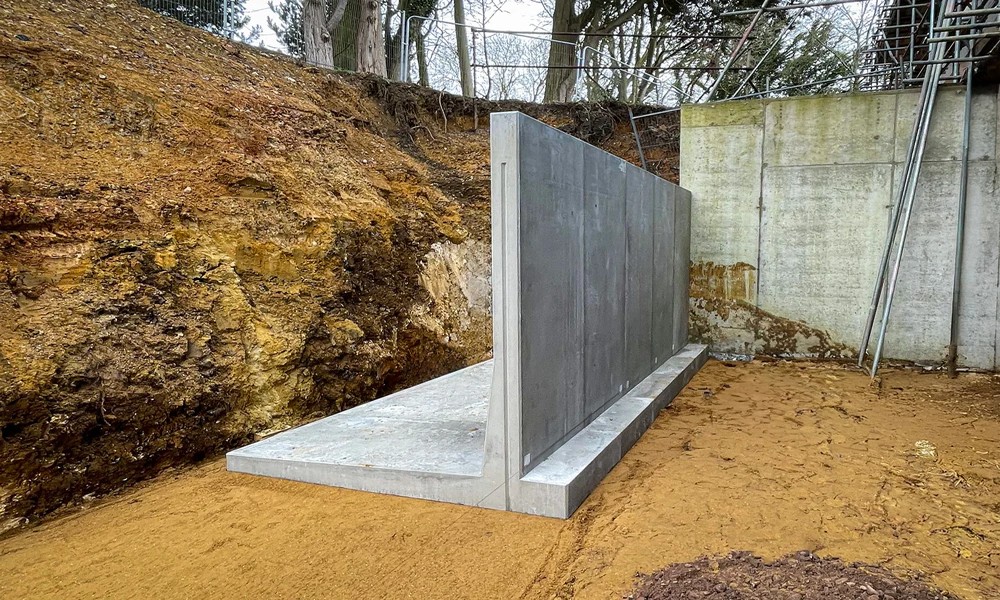
Protecting Your Property Starts with a Strong Retaining Wall
A retaining wall does more than improve the appearance of your outdoor space. It helps hold back soil, manage changes in ground elevation, reduce erosion, and protect areas such as driveways, patios, gardens, walkways, and foundations. When a retaining wall begins to crack, bow, or lean, it may be a warning sign that the structure is under pressure and needs professional attention.
Many property owners delay repairs because early damage may appear minor. However, even small cracks can become larger when exposed to moisture, soil movement, poor drainage, or freeze-and-thaw conditions. Addressing these issues early can help prevent costly repairs and protect your property from bigger structural concerns.
Common Warning Signs You Should Not Ignore
Visible Cracks in the Wall
Cracks are among the most noticeable signs of retaining wall damage. Some hairline cracks may look harmless at first, but they can allow water to enter the wall and weaken the structure over time. If cracks continue to widen, spread, or appear in multiple areas, they should be inspected by a qualified contractor.
Cracking may be caused by soil pressure, improper drainage, weak construction materials, or natural settling. The longer the problem is ignored, the greater the chance that the wall may lose its ability to support the soil behind it.
Bowing or Bulging Sections
A bowing retaining wall often indicates that pressure is building behind the structure. This pressure can come from waterlogged soil, poor backfill, or inadequate drainage. When the wall begins to bulge outward, it may already be struggling to hold back the load behind it.
Homeowners searching for a reliable concrete retaining wall in morris county nj should look for experienced contractors who understand local soil conditions, drainage concerns, and proper reinforcement methods. A professional inspection can help determine whether the wall can be repaired or if replacement is the safer long-term option.
Why Leaning Retaining Walls Are a Serious Concern
Leaning Can Signal Structural Failure
A retaining wall that leans forward should never be ignored. Leaning is often a sign that the wall is no longer balanced against the pressure behind it. This may happen gradually, making it easy to overlook until the wall becomes visibly unstable.
Once a wall starts leaning, patching the surface usually will not solve the root problem. The issue may involve drainage, footing depth, soil movement, or insufficient reinforcement. A contractor can assess the wall’s condition and recommend the right solution before the damage worsens.
Drainage Problems Often Make Damage Worse
Water is one of the biggest threats to retaining walls. Without proper drainage, water collects behind the wall and increases soil pressure. Over time, this added pressure can cause cracking, bowing, leaning, or even collapse.
If you are planning repairs or replacement for a concrete retaining wall in passaic county nj, drainage should be part of the conversation. Proper weep holes, gravel backfill, drainage pipes, and grading can help reduce pressure and extend the lifespan of the wall.
When to Call a Professional Contractor
Do Not Wait for the Wall to Fail
Retaining wall problems rarely improve on their own. If you notice cracks, separation, bulging, leaning, water stains, or soil washing away near the wall, it is best to schedule an inspection. Early action may help reduce repair costs and prevent safety risks.
A professional contractor can check whether the damage is cosmetic, structural, or related to drainage. They can also recommend whether repair, reinforcement, or full replacement is the better investment for your property.
Choose Experience Over Quick Fixes
Retaining wall work requires more than basic concrete repair. The contractor should understand soil pressure, water movement, wall height, footing requirements, and proper construction techniques. Quick surface fixes may temporarily improve appearance, but they will not correct the deeper cause of movement or instability.
Final Thoughts
Cracks, bowing, and leaning are not just appearance issues. They are often signs that a retaining wall is under stress and may need professional attention. By acting early, property owners can protect their landscape, improve safety, and avoid more expensive repairs in the future.
A well-built retaining wall provides long-term support, better drainage control, and peace of mind. If your wall is showing signs of damage, now is the right time to have it evaluated by a trusted local contractor.
