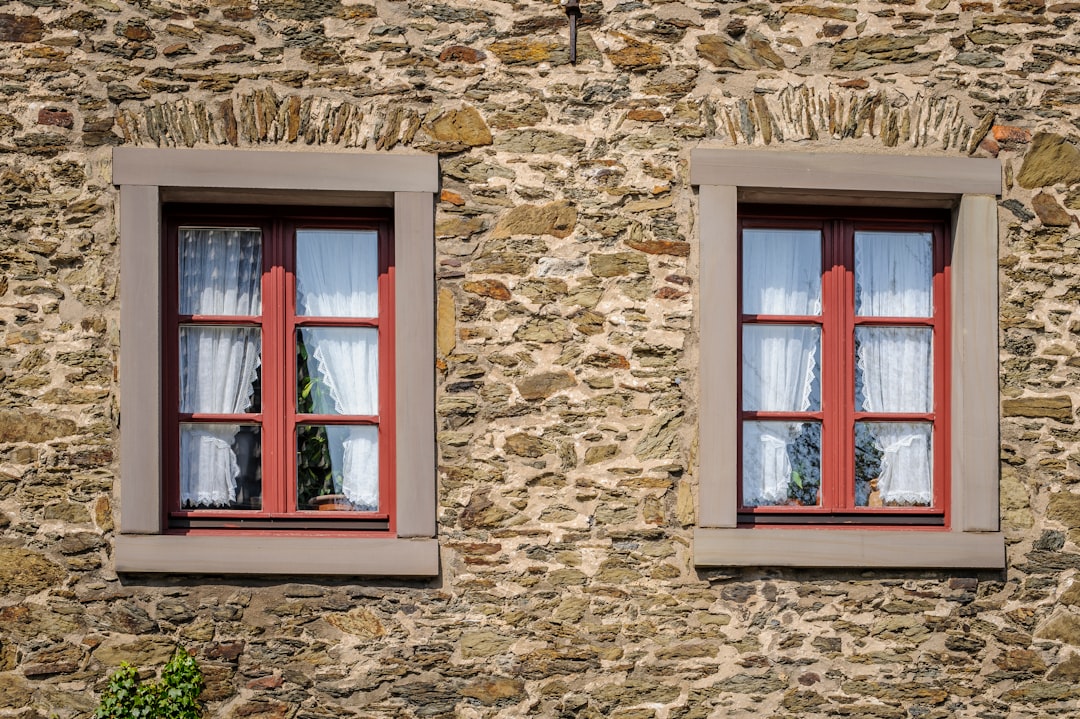
Picture a gentle rain falling outside while fresh air flows freely into your home, all without a single drop sneaking inside. This is the charm of an överhängt fönster, a clever design that combines practicality with a touch of elegance. Often overlooked in home renovations, an överhängt fönster can transform how you experience your living spaces, offering superior ventilation and protection from the elements. Whether you’re updating a cozy kitchen or adding flair to a bedroom, understanding the role of an överhängt fönster can help you make smarter choices for your home. In this comprehensive guide, we’ll delve into what makes an överhängt fönster special, explore its various types, highlight the key benefits, and provide practical advice on selection, installation, and upkeep. By the end, you’ll see why incorporating an överhängt fönster might just be the upgrade your home has been waiting for.
överhängt fönster have roots in traditional architecture, where they were used to maximize airflow in homes without air conditioning. Today, they blend seamlessly with modern designs, providing energy savings and aesthetic appeal. As we explore this topic, keep in mind that an overhanging window isn’t just about function—it’s about creating a more comfortable and inviting environment for everyday life.
What Is an Overhanging Window?
An overhanging window, commonly known as an awning window in many contexts, is a type of window that hinges at the top and opens outward from the bottom. When opened, it creates an overhang that shields the interior from rain while allowing air to circulate. This design makes it ideal for areas where you want ventilation without compromising on weather protection. Unlike standard sliding or double-hung windows, an overhanging window projects slightly outward, resembling a small awning over the opening.
The mechanics are simple yet effective: a crank or handle at the bottom pushes the sash outward, forming that protective ledge. Materials can vary, from vinyl for affordability to wood for a classic look or fiberglass for durability. In essence, an overhanging window bridges the gap between form and function, offering a subtle way to enhance natural light and breeze in your home.
Imagine installing one in a bathroom, where steam needs to escape quickly, or in a kitchen to let out cooking odors without inviting in pests. The overhanging feature ensures that even on drizzly days, you can keep the window cracked open for fresh air. This versatility has made the overhanging window a favorite among homeowners seeking practical solutions that don’t sacrifice style.
Types of Overhanging Windows
When considering an overhanging window for your home, you’ll find several variations tailored to different needs and architectural styles. Each type offers unique features that can complement various room layouts and climates.
Standard Awning Overhanging Windows
The most common form of an overhanging window is the standard awning style, hinged at the top and opening outward. These are typically wider than they are tall, making them perfect for placement above counters or other windows. They provide excellent ventilation and can be stacked with fixed panes for added height and light.
Hopper Overhanging Windows
While similar, hopper windows hinge at the bottom and open inward, creating an overhanging effect from the inside. They’re often used in basements or utility areas where outward projection isn’t feasible. This inward tilt allows for easy cleaning from indoors and secure ventilation in lower-level spaces.
Casement-Style Overhanging Windows
Some overhanging windows incorporate casement elements, swinging outward like a door but with a top hinge for that overhang. These are great for larger openings and offer unobstructed views when fully open. They blend the benefits of casement airflow with the protective overhang of awning designs.
Projecting Bay Overhanging Windows
For a more dramatic effect, projecting bay windows can include overhanging elements, where the window unit extends beyond the wall line. These create additional interior space and bring in more light, often with an overhanging rooflet for weather protection. They’re ideal for living rooms or dining areas seeking a panoramic view.
Custom Overhanging Windows
If standard options don’t fit, custom overhanging windows allow for unique shapes, sizes, and materials. Whether arched for a vintage feel or oversized for modern minimalism, these can be tailored to match your home’s character while maintaining the core overhanging functionality.
Choosing among these types depends on your home’s layout and personal preferences. An overhanging window can be a standalone feature or combined with others for a cohesive look.
Benefits of Installing an Overhanging Window
Opting for an overhanging window brings a host of advantages that go beyond mere aesthetics, making it a smart addition to any home.
One standout benefit is superior ventilation, even during light rain. The overhanging design acts as a natural shield, allowing you to enjoy fresh air without worrying about water intrusion. This is particularly useful in humid climates where constant airflow helps prevent mold and improves indoor air quality.
Energy efficiency is another key perk. By facilitating natural cooling, an overhanging window reduces reliance on air conditioning, potentially lowering utility bills. In winter, when closed, their tight seals help retain heat, contributing to overall home insulation.
Security features in modern overhanging windows include multi-point locks that make them harder to force open from outside. Their position, often higher on walls, adds an extra layer of deterrence against intruders.
Aesthetically, an overhanging window adds a sleek, contemporary touch to exteriors while maximizing natural light inside. It can make small rooms feel larger by drawing the eye outward and inviting more daylight.
Durability is enhanced too, as the overhanging mechanism protects the glass from direct weather exposure, extending the window’s lifespan. Many models come with low-maintenance materials that resist fading and warping.
In summary, the benefits of an overhanging window encompass comfort, savings, and style, making it a worthwhile investment for enhancing your daily living experience.
How to Choose the Right Overhanging Window for Your Home
Selecting the perfect overhanging window involves balancing functionality, style, and budget to ensure it fits seamlessly into your space.
Start with size and placement. Measure your opening accurately, considering how the overhanging window will interact with surrounding elements like counters or furniture. Opt for wider designs in kitchens for better airflow or taller ones in bedrooms for privacy.
Material choice is crucial. Vinyl offers cost-effectiveness and low upkeep, ideal for busy households. Wood provides warmth and customization but may need more care in moist areas. Aluminum or fiberglass delivers strength and weather resistance for exterior-facing installations.
Consider energy ratings. Look for overhanging windows with double or triple glazing and low-E coatings to boost insulation and UV protection, especially in extreme climates.
Style should harmonize with your home’s architecture. A modern home might suit frameless glass overhanging windows, while a traditional one could benefit from gridded panes for character.
Budget wisely, factoring in installation costs and long-term savings from energy efficiency. Higher-quality overhanging windows may cost more upfront but pay off through durability.
Finally, think about operation. Crank mechanisms are user-friendly, but automated options add convenience for hard-to-reach spots.
By weighing these factors, you’ll find an overhanging window that not only meets your needs but elevates your home’s overall appeal.
Installation Guide for an Overhanging Window
Installing an overhanging window can be a straightforward project with the right preparation, though professional help is recommended for complex setups.
Begin by gathering tools: a level, drill, screws, shims, caulk, and weatherproofing tape. Remove the old window if replacing, ensuring the rough opening is clean, square, and plumb.
Position the new overhanging window frame in the opening, using shims to level it precisely. Secure the frame with screws through the mounting holes, checking alignment at each step to avoid binding.
Attach the sash and test the opening mechanism. The overhanging action should be smooth, without gaps that could allow leaks.
Seal the perimeter with caulk and apply flashing tape around the edges for waterproofing. This step is vital to prevent moisture damage over time.
For exterior installations, ensure the overhanging window slopes slightly outward to shed water effectively.
If the window includes screens or grilles, install them last, verifying they fit snugly.
Proper installation ensures your overhanging window operates flawlessly and withstands the elements for years.
Maintenance Tips for Overhanging Windows
Keeping your overhanging window in prime condition requires minimal effort but yields long-lasting results.
Regular cleaning is essential. Wipe the glass with a mild soap solution and a soft cloth, avoiding abrasive materials that could scratch. For the frame, use a gentle cleaner suited to the material, rinsing thoroughly to prevent residue buildup.
Lubricate the hinges and crank mechanism every six months with a silicone spray to ensure smooth operation and prevent rust.
Inspect seals and weatherstripping annually, replacing any worn parts to maintain energy efficiency and block drafts.
Check for signs of wear, like cracks in the glass or warping in the frame, addressing issues promptly to avoid costly repairs.
In dusty areas, vacuum the tracks and sills to keep debris from interfering with the overhanging function.
By following these simple steps, your overhanging window will continue to provide reliable performance and beauty.
FAQs
What makes an overhanging window different from a standard window?
An overhanging window opens outward from the bottom, creating a protective ledge that allows ventilation during rain, unlike sliding or hung windows that don’t offer this feature.
Are overhanging windows energy-efficient?
Yes, with proper insulation and seals, they help regulate indoor temperatures by allowing natural airflow and blocking heat loss.
Can I install an overhanging window in a bathroom?
Absolutely, their design is perfect for humid spaces, providing ventilation while maintaining privacy and keeping water out.
How do I clean the exterior of an overhanging window?
Open it fully and clean from inside if possible; for higher placements, use an extendable tool or hire professionals for safety.
Do overhanging windows improve home security?
Many models feature secure locks and their outward projection makes them harder to tamper with from outside.
Conclusion
In closing, an overhanging window stands out as a versatile and beneficial addition to any home, blending seamless ventilation with protective design. From the various types that suit different styles to the practical benefits of energy savings and ease of use, it’s clear why this window option continues to gain popularity. Whether you’re embarking on a full renovation or a simple update, considering an overhanging window can lead to a more comfortable and efficient living space. With the right choice, installation, and care, it will serve you well for many years, enhancing both the functionality and charm of your home.