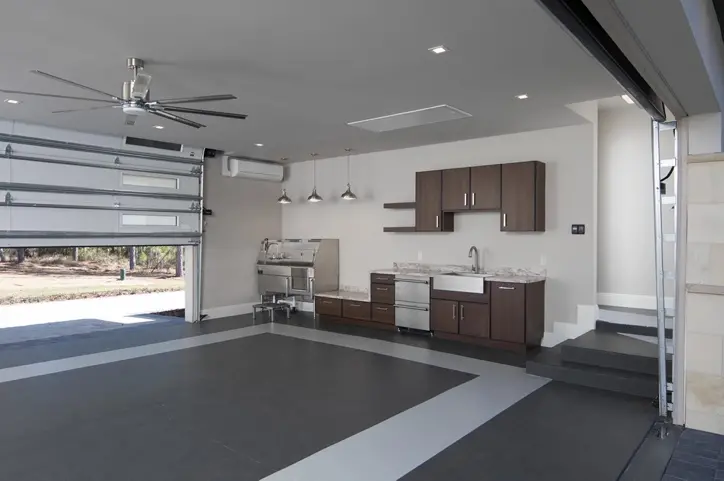
Not all homes in Queens have the same cooling systems. While garages are a prized feature in this car-dependent borough, the air conditioning set-up varies widely from property to property.
If you’re serious about finding the right home, understanding how garages and cooling systems align can help you set realistic expectations and negotiate more effectively. Let’s take a closer look at what you can expect when house-hunting in Queens.
The Queens Housing Landscape
Queens is incredibly diverse, not just culturally, but architecturally. You’ll find everything from pre-war brick homes in Forest Hills to newly constructed single-family houses in College Point. This variety directly impacts what kind of cooling systems you’ll encounter.
According to recent market data, approximately 65% of single-family homes in Queens have some form of central air conditioning, while the remaining 35% rely on window units, ductless mini-splits, or a combination of cooling methods.
What You’ll Actually Find in Homes with Garages
The answer isn’t one-size-fits-all. Queens’ diverse housing stock means the cooling system you’ll encounter largely depends on the property’s age and construction style. Let’s break down what you can realistically expect across different home types.
Newer Construction (Built After 2000)
-
- Central AC is standard, with ductwork integrated into the original design.
-
- Garages are typically attached or built-in, making HVAC installation seamless.
-
- These turn-key properties command premium prices but eliminate future upgrade headaches.
Mid-Century Homes (1950s to 1990s)
-
- You’ll find a mixed bag: some with retrofitted central AC, others with mini-splits.
-
- Many feature hybrid systems: central air in main areas, mini-splits in additions or basements.
-
- Detached garages often added later, separate from any centralized HVAC planning.
Pre-War and Older Properties
-
- Mini-splits or window units dominate due to structural limitations and thick walls.
-
- Garages typically added decades after construction as standalone backyard structures.
-
- Installing central AC is often prohibitively expensive or restricted by landmark preservation rules.
But these categories only tell part of the story. The real question is: why do so many Queens homeowners, even those with newer properties, choose mini-splits over traditional central air? The answer lies in both economics and the unique challenges of retrofitting older homes.
For buyers exploring
homes with garage for sale in Queens, knowing how different cooling systems impact comfort and cost can help you spot value, budget wisely for upgrades, and make smarter offers.
Why Mini-Splits Are So Common in Queens
You might wonder why mini-splits have become increasingly popular, even in homes that could technically accommodate central systems. Here are the main reasons:
-
- Cost Efficiency: Installing ductwork in an existing home can cost $15,000 to $30,000, while mini-splits range between $3,000 and $10,000.
-
- Zoned Cooling: Homes in Queens often have closed-off room layouts that benefit from individual temperature control.
-
- Preservation Concerns: Many historic districts restrict major structural modifications.
-
- Energy Savings: Modern mini-splits are efficient and can lower utility bills significantly.
Is Central AC Still the Gold Standard?
Despite the rise of mini-splits, central air conditioning remains highly desirable among buyers. In your search, you might find that properties with central systems often:
-
- Sell faster than comparable homes with only mini-splits
-
- Command 3% to 7% higher asking prices
-
- Attract families looking for turnkey properties
-
- Appeal to buyers who prioritize aesthetics (no visible wall units)
However, don’t automatically dismiss homes with mini-splits. Modern ductless systems are whisper-quiet, highly efficient, and can be just as effective as central AC, sometimes even better for Queens’ unique housing stock.
Looking for homes that keep you cool year-round? Explore homes with AC for sale in Queens on Houzeo, America’s best home buying and selling website. View detailed listings, save your favorites, and share the homes you love with the people you love.
What to Look for When House-Hunting
As you search for the perfect home, time your inspections and ask detailed questions. Don’t accept surface-level answers about the cooling system. Dig deeper to understand what you’re really getting.
Essential questions to ask:
-
- When was the cooling system installed?
-
- What are the average monthly cooling costs?
-
- Is the system under warranty?
Red flags during inspections:
-
- Mini-split outdoor compressors with rust or visible damage
-
- Ductwork in poor condition with gaps or disconnected sections
-
- Unusual sounds from AC units or excessive cycling
Finally, consider your own priorities before you make an offer. Do you absolutely need whole-home cooling, or would you be satisfied with zoned systems that let you control individual room temperatures? Is garage climate control a must-have for your workshop or storage needs? Can you budget for future HVAC upgrades if the current system doesn’t meet your standards?
Should You Only Consider Homes with Central AC?
Not necessarily. While central air conditioning is a top selling feature among buyers, the reality is more nuanced. Properties with central systems often sell faster and at a 3% to 7% premium. However, that doesn’t make mini-splits a lesser option.
Modern ductless systems are whisper-quiet, energy-efficient, and often better suited to Queens’ diverse housing stock. Your ideal Queens home may have central AC, mini-splits, or the flexibility to install your preferred system. The real question isn’t which cooling type is “better”, it’s which one works best for you.
Browse homes for sale in Queens on your phone. Compare trends, shortlist top picks, and submit offers on Houzeo, America’s best real estate app. Download it for free from the App Store or the Google Play Store, and start your smart search today.