
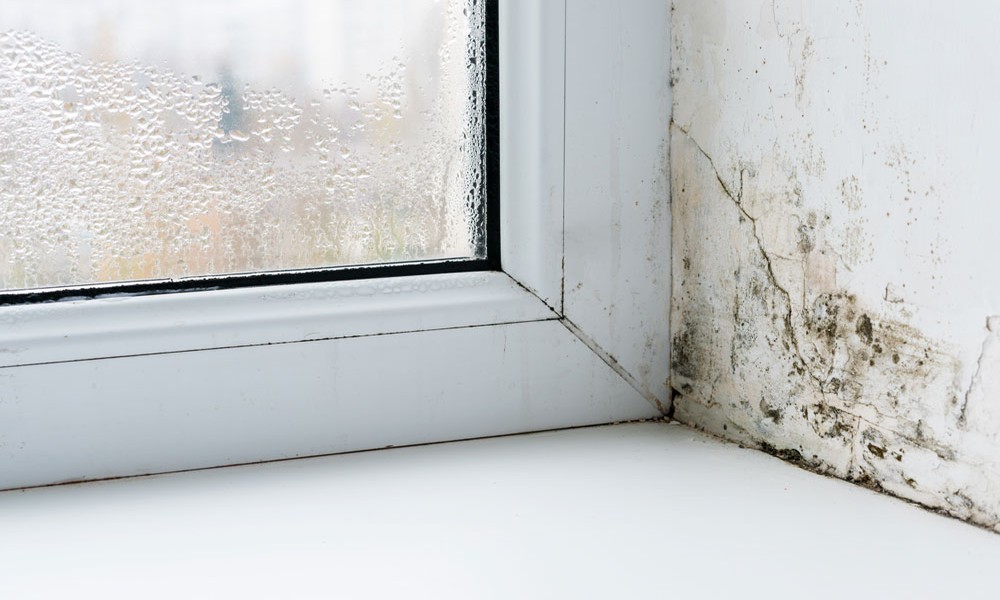
There’s nothing quite like spotting that creeping black smudge in the corner of your bathroom or catching a whiff of that musty smell that lingers no matter what you do.
Those dark streaks climbing your walls aren’t winning any design awards, and worse, they can trigger allergies, aggravate asthma, and turn your home into a damp cave.
Luckily, you’re not stuck with it. With the right techniques, you can get rid of mould and make sure it doesn’t come crawling back.
What Causes Mould?
Before you roll up your sleeves and start scrubbing, it helps to understand what you’re up against.
Mould isn’t just one thing that appears out of nowhere. It’s actually made up of tiny spores that float around in the air, invisible to the naked eye, just waiting for the right conditions to settle down and multiply.
And those conditions? Moisture and warmth. Give mould a damp surface and a cosy temperature, and it’ll treat your home like an all-inclusive resort.
Bathrooms, kitchens, basements, and laundry rooms are the usual trouble spots. These spaces tick all the boxes: steam from showers, condensation from cooking, or that persistent dampness that plagues most UK homes, especially during the colder months.
Even a small leak under the sink or a bit of condensation around your windows can invite mould. And once it latches onto surfaces like wood, wallpaper, or grout, it’s not going anywhere without a fight.
Step One: Gather Your Supplies
Now that you know what you’re up against, let’s talk about how you can get rid of mould.
First off, you’ll want everything you need within arm’s reach before you start, so you don’t end up running around mid-clean trying to find a sponge.
Here’s what you need: gloves, a face mask, white vinegar, baking soda, a spray bottle, a sponge or stiff brush, warm water, and a few microfibre cloths.
Wear old clothes, too. Fungus has a nasty habit of staining, and you don’t want to sacrifice your favourite jumper to the cause.
Also, keep in mind that spores can irritate your lungs and skin, so make sure to put on your gloves and mask before you start.
Finally, before you dive in, crack open a window. Good airflow will stop those spores from hanging around and give you some fresh air to breathe while you work.
Step Two: Attack the Affected Area
If you’re dealing with a small to moderate patch, white vinegar is your best bet. Pour it straight into a spray bottle, saturate the mouldy area, and leave it to sit for about an hour. The acidity will break down the mould, making it easier to scrub away.
Once the time is up, grab your sponge or brush and scrub the area in circular motions. Then, rinse it with warm water and wipe it all down with a clean cloth.
For tougher spots, sprinkle a bit of baking soda onto the area after spraying the vinegar. This combo creates a gentle abrasive paste that’ll lift stubborn fungus without damaging your surfaces.
As you clean, rinse your sponge or brush regularly. Using dirty water will just spread the spores back onto the surface you’re trying to clean.
Step Three: Dry Everything Completely
You’ve scrubbed, you’ve rinsed, and the mould is gone. Tempting as it is to call it a win and walk away, this is the point where most people accidentally undo all their hard work.
Mould loves leftover moisture. Leave surfaces damp, and you’re basically inviting it back for a repeat performance.
So, go over everything with a dry microfibre cloth and be a bit thorough about it. Open the windows if you can, switch on extractor fans, or run a dehumidifier if your home tends to hold onto moisture.
This step is especially important in UK homes, where humidity levels can stay high for weeks on end. Trust us, proper drying is the difference between a temporary fix and a lasting solution.
Step Four: Stop It from Coming Back
Congratulations-the mould is now gone. So, let’s make sure it doesn’t come back. Here are some tips to keep your home fungus-free and healthy:
Fix Leaks
Before anything else, deal with leaks or ongoing dampness, because mould will always come back if moisture sticks around.
Check under the sinks, around the windows, and along visible pipework for drips, staining, or warped materials. Even a slow, barely noticeable leak can keep surfaces damp enough for mould to reappear.
If you find a leak, fix it as soon as possible rather than hoping it’ll dry out on its own. Once the source of moisture is gone, dry the area thoroughly before moving on.
Let the Air Circulate
Ventilation is your next priority. When you’re cooking or showering, open a window or switch on the extractor fan. Letting steam escape stops it from condensing on walls and ceilings, which is exactly what mould loves.
If your bathroom doesn’t have an extractor fan, consider getting one installed. It’s a small change that makes a big difference.
Keep Humidity in Check
Basements, cupboards, and other enclosed spaces are prone to higher moisture levels, which is why dehumidifiers are worth their weight in gold.
Aim to keep indoor humidity between 30% and 50%. You can pick up a hygrometer for a few quid to monitor levels and adjust as needed.
If a dehumidifier isn’t within your budget right now, silica gel packets work surprisingly well in smaller areas, like wardrobes and under-sink cabinets.
And here’s a tip: avoid drying laundry indoors during the colder months. If you must, make sure the room is well-ventilated so moisture doesn’t linger in the air.
Clean Little and Often
Mould feeds on dust, dirt, and organic matter, so keeping your surfaces clean is one of the simplest ways to stop it from taking hold.
Wipe down tiles, grout, window sills, and shower curtains regularly. These areas collect moisture and are prime spots for mould to creep back in.
A quick wipe once a week with a vinegar solution or mild cleaner is usually enough to keep things under control. It’s far less hassle than dealing with another full-blown outbreak.
When to Call in the Professionals
Sometimes, mould comes back no matter how thorough you are. If you’ve cleaned it properly, dried everything out, improved ventilation, and it still reappears, that’s usually a sign the problem runs deeper.
Professional cleaning services don’t just treat the visible spots. They’re trained to identify hidden moisture sources, whether that’s damp behind walls, under flooring, or inside ventilation systems.
Using specialist equipment, they can detect problem areas you’d never spot with the naked eye. They also have access to industrial-grade treatments that kill spores at the root and prevent them from returning.
These products and methods go far beyond household sprays and DIY solutions, so they’re especially useful for large outbreaks.
Conclusion
Mould might be sneaky and stubborn, but it’s no match for someone who actually knows what they’re doing. A bit of scrubbing here, some preventive measures there, and your home will go from being a damp dungeon to a cosy space you’ll enjoy living in.
So, grab that spray bottle, open those windows, and enjoy the satisfaction of knowing you didn’t let a few spores ruin your day.
