
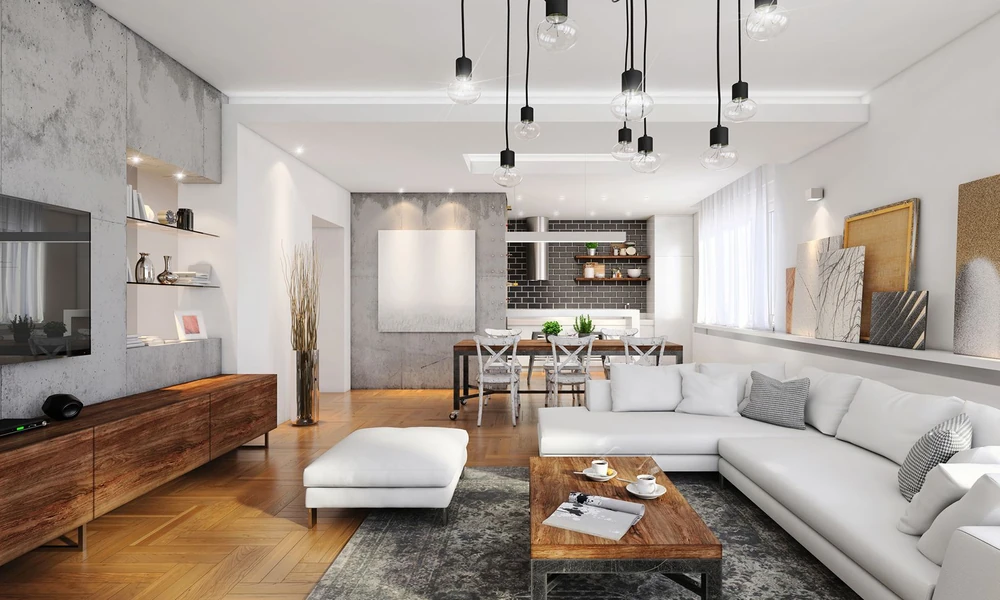
Lighting has an uncanny ability to transform a home, setting the mood and highlighting the uniqueness of every room. Yet, choosing and integrating new lighting fixtures is more than a matter of taste. It demands a careful balancing act between design, technology, and practicality, where one wrong call can tip the entire atmosphere off balance.
Understanding the Role of Lighting in Home Design
Lighting shapes perception. Soft, warm glows invite relaxation in a bedroom, while crisp, bright fixtures sharpen focus in kitchens or home offices. The emotional impact is immediate. Mood is sculpted not just by the fixtures chosen, but by how their light interacts with space, color, and texture.
Functionality and aesthetics must walk hand in hand. That pendant may look stunning, but does it provide enough ambient light? A reading nook with only a dramatic chandelier risks style over comfort. Choosing fixtures that both serve the room’s needs and amplify its character is essential.
Matching lighting with interior styles is another subtle but critical step. Minimalist spaces demand sleek, understated fixtures, while historic homes often shine with ornate sconces or period-appropriate pendants. Consistency between the lighting and the room’s design language prevents visual discord.
Technical Considerations for New Lighting Fixtures
Before falling in love with a fixture, check the bones of your home. Can the existing electrical system handle the new addition? Older homes may require an upgrade or added circuitry for modern, power-hungry features. Safety should never take a back seat to aesthetics.
Light source technology has evolved rapidly. LED fixtures dominate for their efficiency, longevity, and cool operation. Halogen bulbs, while warmer in color, consume more power and have shorter lifespans. Incandescent bulbs, though beloved for their nostalgic glow, are neither energy-efficient nor long-lasting. Most homeowners now opt for LEDs unless a specific effect is desired.
Size and placement can make or break a room. A small fixture in a cavernous living area feels lost, while an oversized chandelier in a narrow hallway can overwhelm. Consider the ceiling height, furniture scale, and the spread of light the fixture will provide before committing.
Energy efficiency has become non-negotiable. Choosing fixtures and bulbs rated for low energy consumption not only lowers utility bills, it benefits the environment. Look for ENERGY STAR labels and consider dimmable features to save even more.
Design Strategies for Seamless Lighting Integration
A single light source rarely does a space justice. Layering is the secret: ambient lighting establishes the overall glow, task lighting targets functional areas, and accent lighting creates drama or draws attention to architectural details. The interplay of these layers elevates both form and function.
Architectural elements, beams, alcoves, or built-in shelves, invite creative lighting solutions. Recessed lights can disappear into ceilings, while track or rail systems add flexibility. Integrating lights with moldings or staircases offers subtle, sophisticated illumination.
Color and material choices in a room should influence fixture selection. Brass and bronze warm up neutral palettes, while chrome and glass complement cooler schemes. The light’s color temperature (measured in Kelvin) also matters: 2700K to 3000K feels soft and inviting; higher values create a crisper, more alert environment.
For maximum control, smart lighting systems are becoming a staple. These allow for brightness, color, and even scheduling adjustments through apps or connected devices, creating adaptable moods at the tap of a screen.
Practical Steps to Planning and Installation
Start with a lighting needs assessment. Which rooms feel dark or underlit? Where is glare a problem? Mapping out these pain points leads to targeted solutions rather than haphazard upgrades.
Collaborating with professionals pays off. Interior designers help align fixtures to the space’s aesthetics. Licensed electricians ensure safe and code-compliant installation. Specialist suppliers, such as those offering Avant-Scene lighting, can provide expert insight into fixture choices and emerging trends.
Budgeting is more than just the upfront purchase price. Factor in installation labor, electrical upgrades, and future maintenance. Quality fixtures often cost more initially but pay dividends in durability and performance.
Unexpected hiccups can occur: wiring complications, ceiling constraints, or mismatched finishes. Patience and flexibility, along with professional guidance, resolve most issues before they escalate.
Enhancing Home Value and User Experience Through Lighting
Lighting is a potent selling point in real estate. Thoughtfully designed and integrated fixtures can make spaces appear larger, cleaner, and more inviting, often commanding higher offers from buyers.
Adjustable fixtures adapt to changing needs, whether dimming for a movie night or brightening for dinner prep. This flexibility appeals to modern homeowners who crave both beauty and utility.
Finally, while trends come and go, certain lighting principles endure. Embrace innovation but avoid lighting choices that may quickly date your home. Instead, look for fixtures that promise both lasting appeal and adaptability, ensuring your home remains as inviting tomorrow as it is today.
